
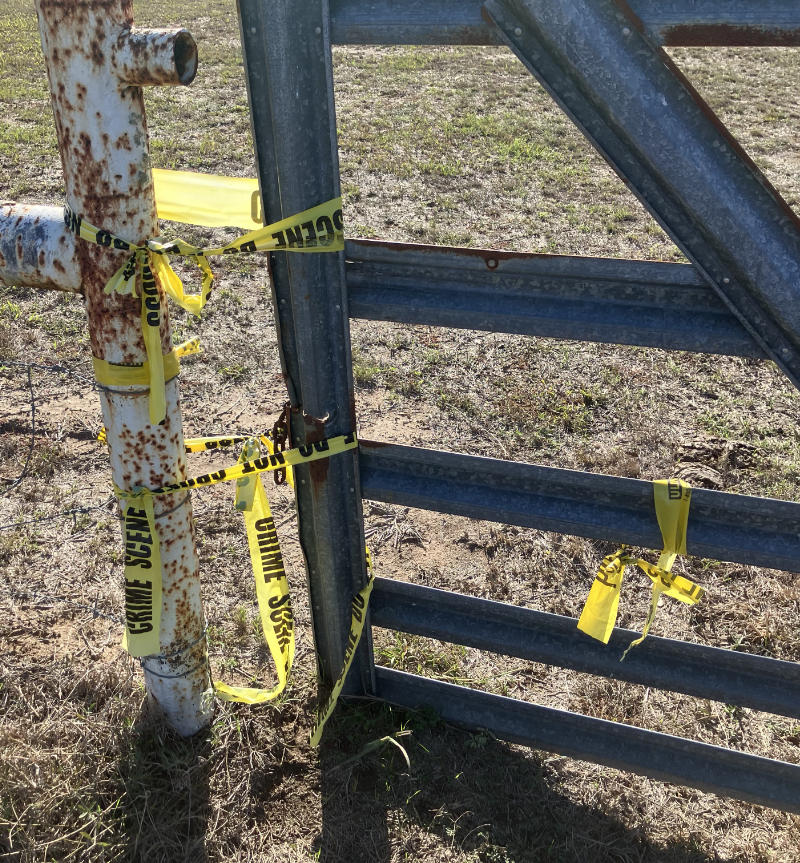
Looks Like a Crime Scene?
A typical big truck shop operation will often have the following “housekeeping issues”:
- Waste oil/used lubricants stored in 55-gallon drums or a small waste oil storage tank
- Solvents/degreasers for cleaning engines and parts
- Maybe a paint booth, and
- Scrap metal and parts stored in the yard area, on the ground (what the EPA may “categorize “ these areas as SWMUs — Solid Waste Management Units, plus any “fluid leakage” is called a waste stream). These issues are a “de minimus” condition and NOT a REC.
The “Crime” – but when a big environmental company came by to do a Phase I assessment of such a facility, even though there was no evidence of any spills on the soil or significant staining in the former parts storage area, flagged this an “SWMU” as a Recognized Environmental Condition (REC) and pushed for soil sampling across the entire yard storage area.
OUR TAKE:
MEP’s site visit showed zero evidence of releases—no spills, no significant staining.
What are we sampling for… rust?
These are classic de minimis housekeeping issues under ASTM E1527—not RECs. No need for Phase II sampling.
Bottom Line for Owners & Lenders
Overzealous Phase I reports drive up costs and delay deals without real risk. We cut through the noise with common sense.
Whether you have an oilfield service yard, auto/truck shop service facility or even a typical IOS facility (Industrial Outside Storage), we can give you a “Baseline Risk Assessment” for no charge if followed up with a Phase I ESA.
“Success is related to standing out, not fitting in.”
– Don Draper